
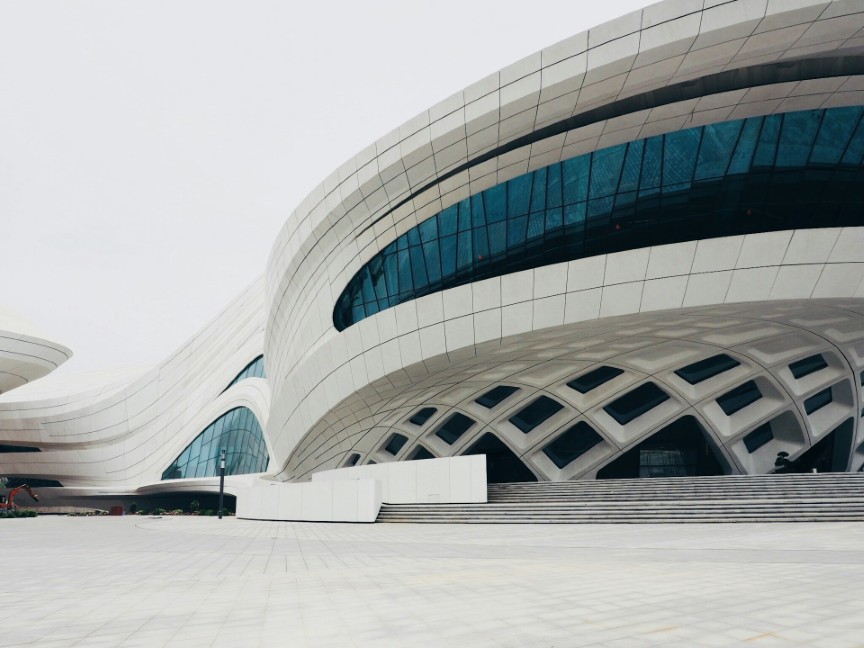
The cost of facade design services can look difficult to pin down at first glance, largely because no two building envelopes solve exactly the same problem. A facade is expected to do far more than shape appearance: it must control weather, movement, thermal performance, daylight, durability, maintenance, and buildability, all while meeting planning intent and budget constraints. That is why facade engineering is rarely priced as a simple commodity. The real question is not only what the fee will be, but what level of expertise, coordination, and risk reduction that fee is buying for the project.
Why facade design costs vary so widely
Facade design fees are typically influenced by complexity rather than by a single universal price list. A straightforward low-rise building with standard openings and familiar materials will usually require a different level of effort from a mixed-use tower with bespoke glazing, varied interfaces, and demanding performance targets. Even when two projects appear similar on paper, the amount of design time can change significantly depending on procurement route, planning sensitivity, and how much technical resolution is needed before tender.
In most cases, cost is shaped by a combination of factors:
- Building type and scale: Towers, civic buildings, transport hubs, and prestige residential schemes often require more detailed engineering and coordination.
- Facade system selection: Curtain walling, rainscreen cladding, unitised systems, stone facades, and hybrid assemblies each bring different technical demands.
- Performance requirements: Thermal goals, acoustic control, fire strategy, weather resistance, structural movement, and sustainability targets all affect design scope.
- Geometry and repetition: Simple repetitive elevations are usually more efficient to develop than highly articulated or irregular forms.
- Project stage: Early concept advice costs less than full-service involvement through tender, fabrication review, and site support.
- Approval and compliance needs: Planning submissions, design review panels, code compliance, and third-party checks can increase consultant input.
Seen this way, the fee for facade engineering reflects the number of technical decisions being managed, the risk carried by the envelope, and the amount of specialist coordination needed to keep design intent practical.
What is usually included in facade engineering services
Clients often compare proposals line by line, but many cost misunderstandings come from differences in scope rather than differences in rates. One consultant may price only concept input, while another may include detailed package reviews, specification writing, coordination workshops, and installation-stage support. Looking beyond the headline number is essential.
Depending on the appointment, facade design services may include:
- Concept development with system options, massing response, material studies, and high-level performance principles.
- Design development covering key details, interfaces, movement strategy, drainage logic, thermal continuity, and buildability.
- Performance advice related to weathering, acoustics, energy performance, condensation risk, fire considerations, and maintenance access.
- Documentation such as outline specifications, drawing markups, design criteria, schedules, and tender support.
- Coordination with architects, structural engineers, MEP teams, fire consultants, contractors, and specialist subcontractors.
- Procurement and construction support including technical reviews of contractor proposals, shop drawings, samples, mock-ups, and site observations.
A client should also check what is explicitly excluded. Testing strategy, laboratory witnessing, finite element analysis, fire engineering, or specialist certification support may sit outside a base fee and be added later if needed. Clear boundaries reduce surprises.
The main cost drivers clients should expect
While every appointment is bespoke, several recurring themes tend to have the biggest effect on budget. Understanding them helps clients ask better questions and choose the right level of service.
| Cost driver | How it affects fees | Typical reason |
|---|---|---|
| Complex geometry | High impact | More bespoke detailing, coordination, and technical checks |
| Multiple facade materials | Moderate to high impact | Additional interfaces, tolerances, and sequencing issues |
| Advanced performance targets | High impact | More analysis, refinement, and validation of design intent |
| Fast-track programmes | Moderate to high impact | Compressed review periods and increased meeting intensity |
| Early contractor involvement | Variable impact | Can reduce redesign risk, but adds coordination during procurement |
| Site-stage support | Moderate impact | Requires inspections, responses to queries, and review of changes |
Another important factor is decision quality on the client side. Frequent changes to materials, unresolved planning issues, or late alterations to floor layouts can all push facade work beyond the original scope. Fees may rise not because the consultant is expanding the service unnecessarily, but because the design itself is still moving.
For this reason, a disciplined briefing process is one of the most effective ways to control cost. The earlier the project team defines performance priorities, aesthetic direction, maintenance expectations, and procurement assumptions, the more efficiently the envelope can be developed.
How to assess value, not just the fee
The lowest proposal is not always the most economical choice. Facades sit at the intersection of architecture, structure, environmental performance, and long-term maintenance. Weak early decisions can lead to expensive redesign, procurement confusion, poor detailing, or avoidable site issues later on. Good facade engineering helps prevent these outcomes by identifying risks before they become claims, delays, or visible defects.
When reviewing proposals, it helps to compare consultants against a practical checklist:
- Relevant project experience: Have they worked on comparable systems, building types, and delivery routes?
- Technical depth: Can they address performance and constructability as well as appearance?
- Scope clarity: Is the deliverable list precise enough to avoid ambiguity later?
- Coordination approach: How will they work with the wider design and delivery team?
- Stage coverage: Are they only advising at concept stage, or staying involved through tender and construction?
- Communication quality: Are recommendations likely to be clear, timely, and usable by non-specialists?
This is where specialist positioning matters. For teams seeking international project insight and envelope-specific expertise, Facade Design Manager | global facade consultants provides access to facade engineering knowledge that can be especially valuable on technically demanding or cross-border schemes.
Value also comes from proportionate service. Not every project needs the same intensity of consultant involvement. A modest development may benefit from targeted technical reviews at key milestones, while a landmark scheme may need sustained engagement from concept through completion. The right appointment matches the building rather than following a generic template.
How to budget more confidently for facade design services
Clients can improve cost certainty by structuring the brief and appointment carefully from the outset. A vague request for a facade fee often leads to broad assumptions and uneven proposals. A more detailed brief creates better comparisons and a smoother design process.
Before seeking quotations, prepare the following:
- Project description: Building use, scale, location, programme, and current design stage.
- Architectural intent: Preferred materials, visual priorities, and any planning sensitivities.
- Performance goals: Thermal, acoustic, fire, durability, maintenance, and sustainability expectations.
- Procurement route: Traditional, design and build, contractor-led, or specialist subcontractor engagement.
- Required services: Concept advice, detail development, tender support, mock-up review, site input, or all of the above.
It is also wise to ask for staged fees. Breaking the appointment into concept, developed design, tender, and construction support gives the client more transparency and control. If the project changes direction, the scope can be adjusted without losing sight of what has already been completed.
Finally, allow room in the overall budget for specialist input where it genuinely matters. Facade design may represent a relatively modest professional fee compared with the cost implications of replacing failed materials, correcting thermal bridges, resolving leaks, or redesigning interfaces late in the programme. Investing in the right expertise early often protects the broader project budget.
Conclusion
Understanding the cost of facade design services starts with understanding the job itself. Facade engineering is not simply about choosing an exterior finish; it is about resolving one of the building’s most technically demanding systems so that appearance, performance, compliance, and practicality work together. Fees vary because projects vary, and because the consequences of poor envelope decisions can be significant.
Clients who define scope clearly, compare proposals carefully, and judge value as well as price are usually best placed to make a sound appointment. Whether the project is simple or highly bespoke, the aim should be the same: secure facade engineering support that is proportionate, technically rigorous, and capable of carrying the design from ambition to reliable delivery.
——————-
Discover more on facade engineering contact us anytime:
FacadeDesignManager | Facade Engineering Consultancy Services | Ankara, Türkiye
https://www.facadedesignmanager.com/
Discover the ultimate solution for streamlined facade design and engineering services at FacadeDesignManager. Elevate your architectural projects with intuitive tools and seamless collaboration. Explore now!
Unlock the secrets to creating stunning facades with Facade Design Manager. Our innovative platform allows you to effortlessly design, visualize, and manage your facade projects with ease. Say goodbye to mundane architecture and hello to a world of endless design possibilities. Stay tuned for the official launch and be prepared to transform the way you approach facade design.

